
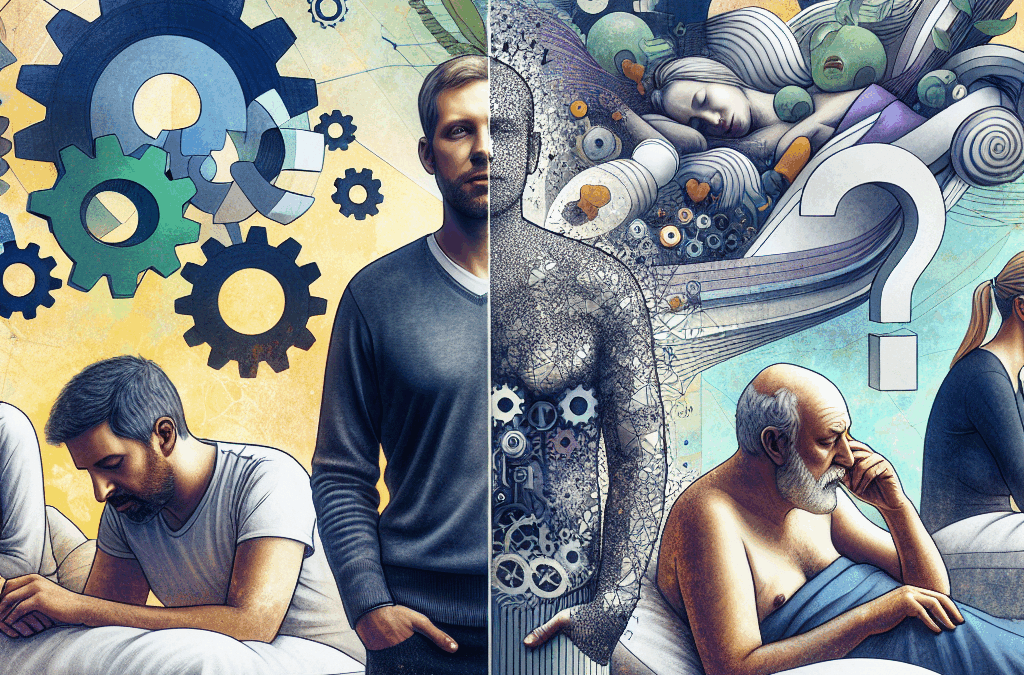
**From Restless Nights to Better Sleep: 10 European Startups Transforming How We Rest, Recover, and Recharge**
Sleep is fundamental to our physical and mental well-being, yet millions of adults worldwide struggle with poor sleep quality, chronic fatigue, pain, and conditions like sleep apnea. If you are among those battling tiredness, burnout, or restless nights punctuated by breathing disruptions, rest assured—sleep innovation is advancing rapidly, offering fresh hope. This post delves into groundbreaking European startups revolutionizing the landscape of sleep health, recovery, and recharge.
—
The Sleep Crisis: Why Better Solutions Matter
Chronic tiredness and disrupted sleep do more than sap energy—they increase risks of cardiovascular disease, mental health disorders, and metabolic problems. Conditions such as obstructive sleep apnea (OSA) affect approximately 14% of men and 7% of women globally, causing repeated breathing interruptions during sleep that fragment rest and produce daytime fatigue and pain. Traditional treatments, like CPAP machines for OSA, are effective but notoriously uncomfortable, leading to high dropout rates. For people enduring the physical and emotional toll of poor sleep, innovative, user-friendly solutions are urgently needed.
—
Europe’s Frontline Sleep Tech Innovators
Europe hosts a vibrant ecosystem of startups tackling sleep disturbances with cutting-edge technology and patient-centric designs. Here are 10 European startups making significant strides, combining medical science, engineering, and digital innovation to enhance sleep and recovery.
—
1. **Zeus Sleep (UK): Non-Invasive Therapy for Snoring and Sleep Apnea**
Zeus Sleep addresses snoring and mild to moderate sleep apnea through a **wearable device placed under the chin**. Utilizing gentle transcutaneous electrical nerve stimulation (TENS), it activates tongue muscles to keep airways open during sleep—targeting the root causes of airway obstruction without intrusive machinery. Developed through over a decade of research with leading medical institutions and validated by clinical trials, this non-invasive device promises significant relief from sleep disturbance and its downstream health effects. The startup aims to improve sleep for over a million people in the next decade, offering a user-friendly alternative to CPAP[1].
—
2. **Nyxoah (Belgium): Minimally Invasive Neurostimulation for OSA**
Nyxoah’s **Genio device** represents a breakthrough in sleep apnea treatment by employing **miniaturized neurostimulation** to activate airway muscles. Unlike CPAP masks, Genio is designed to be implanted, providing a more comfortable, patient-friendly solution that enhances adherence and quality of life. With substantial backing, including a €37.5 million investment from the European Investment Bank, Nyxoah is scaling up to meet growing demand, striving to replace the “mask and air pressure” model that many patients find intolerable[2].
—
3. **Onera (Netherlands): Medical-Grade Sleep Diagnostics at Home**
Good diagnosis is key to effective treatment. Many sleep disorders go undetected because traditional polysomnography requires overnight stays in specialized clinics. Onera has developed **wireless, medical-grade sleep diagnostic devices for home use**, making detailed sleep studies accessible and less disruptive. This innovation reduces barriers to early detection of sleep problems, enabling timely, tailored interventions for conditions ranging from insomnia to OSA[3].
—
4. **Mosanna Therapeutics (Switzerland): Precision Medicine for Sleep Apnea**
Mosanna is pioneering **targeted pharmaceutical treatments** for obstructive sleep apnea, focusing on the metabolic and cardiovascular impacts of the disease. Its small molecule candidate aims to improve outcomes by addressing underlying physiological mechanisms—a complement to device-based therapies. Early clinical results show promise for individuals seeking alternatives to mechanical devices[4].
—
5. **Apneal (France): Improving Sleep Apnea Screening at Primary Care Level**
Apneal is changing how sleep apnea is screened and managed, emphasizing early detection in primary care to shorten delays in diagnosis. Leveraging scientific data and clinical evidence, Apneal’s screening protocols empower general practitioners with tools to identify and triage at-risk patients, facilitating faster access to treatment. This model also reduces overall healthcare costs by preventing complications related to untreated OSA[6].
—
6. **Moonoa (Portugal): Personalized Sleep Coaching**
Moonoa combines AI and behavioral science to deliver **personalized sleep coaching** via digital platforms. By adapting to individual sleep patterns, stress levels, and lifestyle factors, it guides users to modify habits to improve sleep quality progressively. For adults overwhelmed by burnout and insomnia, such tailored support can be critical in restoring natural sleep rhythms[5].
—
7. **Somnox (Netherlands): The Sleep Robot**
Somnox offers a unique, tactile approach—a **sleep robot** that mimics breathing rhythms, helping users relax and fall asleep through calming sensory input. This gentle, non-pharmacological tool is ideal for those whose insomnia stems from anxiety or chronic stress—a major contributor to poor sleep in burned-out adults[7].
—
8. **Oura Health (Finland): Data-Driven Sleep Optimization**
Oura’s wearable ring tracks key biometric signals—sleep stages, heart rate variability, recovery trends—offering insights to improve sleep hygiene and long-term health. Its data-driven approach is valuable not only to consumers but also healthcare providers seeking to personalize treatment plans. Monitoring recovery patterns can be crucial for adults experiencing pain or fatigue as it guides pacing and recovery[3].
—
9. **Pulsetto (Lithuania): Vagus Nerve Stimulation for Stress and Sleep**
Pulsetto’s technology focuses on **vagus nerve stimulation** to reduce stress and enhance sleep quality. Chronic stress disturbs sleep architecture and can exacerbate conditions like pain and burnout. This approach modulates the autonomic nervous system toward relaxation, supporting more restorative sleep cycles[3].
—
10. **Meditopia (Germany): Digital Mental Wellness and Mindfulness**
Recognizing the interplay between mental health and sleep, Meditopia provides digital mindfulness and wellness programs that reduce anxiety and promote relaxation. Adults struggling with stress-induced sleep disruption benefit from such digital therapies that complement medical and device-based interventions[3].
—
Insights and Takeaways for Adults Struggling with Sleep
**A multi-faceted approach is key.** Sleep problems often result from overlapping causes—physical conditions like sleep apnea, psychological stress, pain, and lifestyle factors. These innovating startups reflect this complexity by addressing distinct elements:
– **Non-invasive and minimally invasive devices** tackle physical airway blockages without the discomfort of traditional masks, improving patient compliance.
– **At-home diagnostics** expand access to expert sleep assessments, essential for timely, targeted treatment.
– **Pharmaceutical advancements** promise solutions for patients unable or unwilling to use devices.
– **Digital coaching and relaxation tools** address behavioral and psychological contributors to poor sleep.
– **Wearables** provide actionable feedback to empower individuals in managing their recovery and wellbeing actively.
For adults experiencing tiredness, burnout, or chronic pain, these innovations herald a future where improved sleep is not only possible but tailored to personal needs and preferences.
—
Why It Matters: Health, Relationships, and Productivity
Better sleep positively impacts:
– **Physical recovery** — enhancing immune function, reducing pain sensitivity, and restoring metabolic balance.
– **Mental health** — lowering anxiety and depression symptoms common with chronic sleep deprivation.
– **Cognitive function and productivity** — critical for adults balancing busy lives.
– **Relationships** — relief from snoring and sleep apnea benefits both patients and their partners.
Embracing these new technologies can transform lives, reducing the burden of restless nights and opening the door to sustained recovery and recharge.
—
Final Thoughts
If you suffer from poor sleep quality, sleep apnea, or persistent tiredness, it’s essential to stay informed about emerging alternatives to uncomfortable traditional treatments. European startups are leading the way with research-backed, patient-friendly solutions that may soon redefine how we rest, recover, and recharge. Explore the evolving options—from wearable devices and neurostimulation implants to AI-driven coaching and mindfulness apps—to find technologies that fit your lifestyle and health goals.
Better sleep is on the horizon, and with it, renewed energy, improved health, and a brighter outlook on everyday life. Investing time and hope in these innovations may be the first step to reclaiming the rest you deserve.
—
*(This post incorporates research and insights from leading sources in European sleep health innovation in 2024–2025.)*