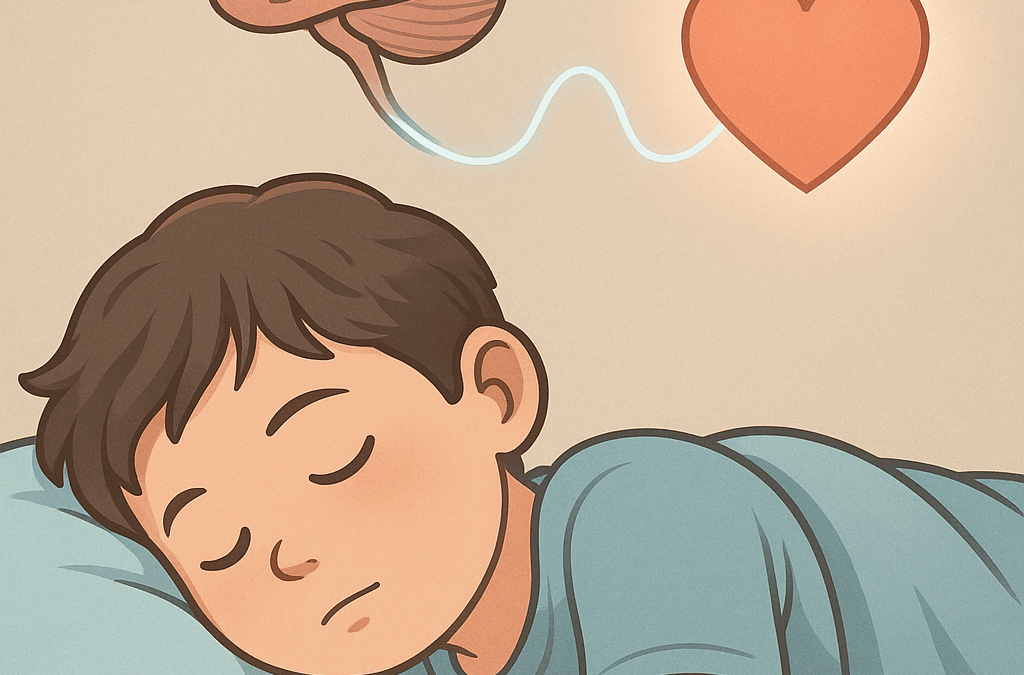
Sleep apnea significantly increases the risk of sudden cardiac arrest (SCA) and cardiac dysrhythmia in children with epilepsy, according to recent research. This comorbidity represents a critical health concern that demands heightened clinical awareness and tailored treatment strategies to improve outcomes for these vulnerable patients.
Epilepsy itself poses a known risk for sudden unexpected death in epilepsy (SUDEP), a phenomenon often triggered during sleep, especially following generalized seizures. However, the presence of sleep apnea – a disorder characterized by repeated breathing interruptions during sleep – compounds this risk dramatically for pediatric patients, elevating their chances of life-threatening cardiac events.
Understanding the Link Between Sleep Apnea and Sudden Cardiac Arrest in Pediatric Epilepsy
A large-scale longitudinal study by Po-Ming Wu, M.D., and colleagues at National Cheng Kung University, Taiwan, explored this dangerous intersection. They used propensity score matching to compare children with epilepsy who either did or did not have coexisting sleep apnea. The findings were stark: children with both epilepsy and sleep apnea had the highest incidence of sudden cardiac arrest at 50.5 per 10,000 person-years, compared to 20.0 for epilepsy alone and 9.0 for sleep apnea alone.
Over 5- and 10-year follow-ups, the hazard ratios for sudden cardiac arrest in the combined epilepsy and sleep apnea group reached nearly double that of children without this combination (HR 1.99 at 5 years and 1.74 at 10 years)[1]. Additionally, the risk for cardiac dysrhythmia – abnormal heart rhythms that can precipitate cardiac arrest – also doubled over 10 years (HR 2.06). Refractory epilepsy, a form resistant to treatment, further increased this risk (OR 1.74).
Of note, the study observed that traditional treatment for sleep apnea affected outcomes differently. Long-term continuous positive airway pressure (CPAP) therapy, a mainstay for adult obstructive sleep apnea, was paradoxically associated with an increased risk of sudden cardiac arrest in these children (OR 3.41), whereas adenotonsillectomy (surgical removal of adenoids and tonsils) reduced the risk significantly (OR 0.40). These findings suggest that standard adult protocols may not translate directly to pediatric epilepsy patients and underscore the need for individualized approaches.
Why This Matters to Adults Struggling with Sleep and Health
Although this study focuses on children, the implications echo loudly for adults dealing with fatigue, pain, burnout, and sleep disorders such as sleep apnea. Adults with epilepsy face similar risks of sudden cardiac events linked to sleep apnea, underscoring how critical proper diagnosis and treatment of sleep disorders can be in managing overall health.
For people suffering from chronic fatigue or burnout, often accompanied by poor sleep quality or undiagnosed apnea, these findings offer a wake-up call: untreated sleep apnea is not merely a cause of daytime tiredness but a serious cardiovascular risk factor. Moreover, untreated or refractory epilepsy can compound these dangers.
The Complex Relationship Between Epilepsy, Sleep Apnea, and Cardiac Health
Sleep apnea contributes to intermittent hypoxia — reduced oxygen levels during sleep — and causes fluctuations in blood pressure and heart rate. These physiologic stresses can worsen the underlying cardiac vulnerabilities in epilepsy, raising the chance of fatal arrhythmias and sudden cardiac arrest.
In patients with epilepsy, especially those with poorly controlled seizures, the heart may already be under strain. When combined with the oxygen deprivation and sympathetic nervous system activation caused by sleep apnea events, the risk of adverse cardiac outcomes escalates disproportionately.
This intersection also ties into the broader concept of SUDEP (sudden unexpected death in epilepsy), the leading epilepsy-related cause of death in many patients[8]. While the precise mechanisms remain under study, nighttime respiratory and cardiac dysfunction are thought to play a central role. Sleep apnea likely acts as a significant aggravating comorbidity that could tip vulnerable patients into fatal events.
Key Takeaways for Adults Facing Sleep Apnea, Pain, and Epilepsy
– Recognition of symptoms and screening: Adults who feel constantly tired, awake gasping, or have difficulty sleeping should seek evaluation for sleep apnea, especially if they have a history of epilepsy or unexplained cardiac symptoms.
– Individualized treatment strategies: As the pediatric study shows, therapies effective in one population may not suit all. Patients with epilepsy and sleep apnea must work closely with neurologists, sleep specialists, and cardiologists to find tailored treatments that minimize fire risks like sudden cardiac arrest.
– The role of surgery vs. CPAP: In pediatric patients, adenotonsillectomy lowered cardiac arrest risk more than CPAP. While adults usually rely on CPAP, this raises questions about alternative or adjunctive therapies tailored to individual anatomy and comorbidities.
– Managing refractory epilepsy: Since uncontrolled seizures increase sudden cardiac arrest risk, aggressive seizure management is vital, alongside addressing sleep-disordered breathing.
– Holistic health optimization: For those with chronic pain or burnout, addressing sleep apnea may improve not only heart health but also quality of life by enhancing sleep quality, reducing daytime fatigue, and potentially improving pain perception.
Broader Evidence Linking Sleep Apnea and Mortality in Epilepsy
Additional observational studies align with these findings. For example, analyses of large US claims databases have shown that children with severe epilepsy and sleep apnea face greatly increased standardized mortality ratios (SMRs), sometimes exceeding those of other serious comorbidities like heart failure. Nearly half of these patients use positive airway pressure treatments, yet the association with increased mortality persists, emphasizing the need for further refinement of treatment approaches.
Practical Steps for Patients and Caregivers
For adults dealing with fatigue, pain, and suspected sleep disorders, several actionable steps can be taken:
– Discuss sleep symptoms openly: Mention snoring, daytime sleepiness, waking choking or gasping to your doctor.
– Request sleep studies: Polysomnography remains the gold standard to diagnose various sleep apnea types.
– Review medications and seizure control: Effective seizure management may reduce cardiac risks.
– Explore treatment options: While CPAP is mainstay, other interventions like oral appliances or surgery should be considered if tolerated poorly.
– Monitor cardiac health: Patients with epilepsy and/or sleep apnea should have regular cardiac evaluation to identify dysrhythmias early.
Final Thoughts
The intersection of sleep apnea and epilepsy represents a potent, sometimes hidden, risk factor for sudden cardiac arrest and mortality — especially in pediatric patients but likely carrying lessons for adults too. The recent research underscores the urgent need for increased awareness, comprehensive screening, and personalized treatment plans to mitigate these dangers.
If you or a loved one struggles with persistent fatigue, sleep disturbances, or seizures, consult healthcare professionals specializing in sleep medicine and neurology. Managing sleep apnea effectively might not only improve quality of life but could also be life-saving by reducing the risk of devastating cardiac events.
By bridging the gap between sleep health and neurological conditions, we can better protect vulnerable populations from the “silent” risks lurking behind sleepless nights.