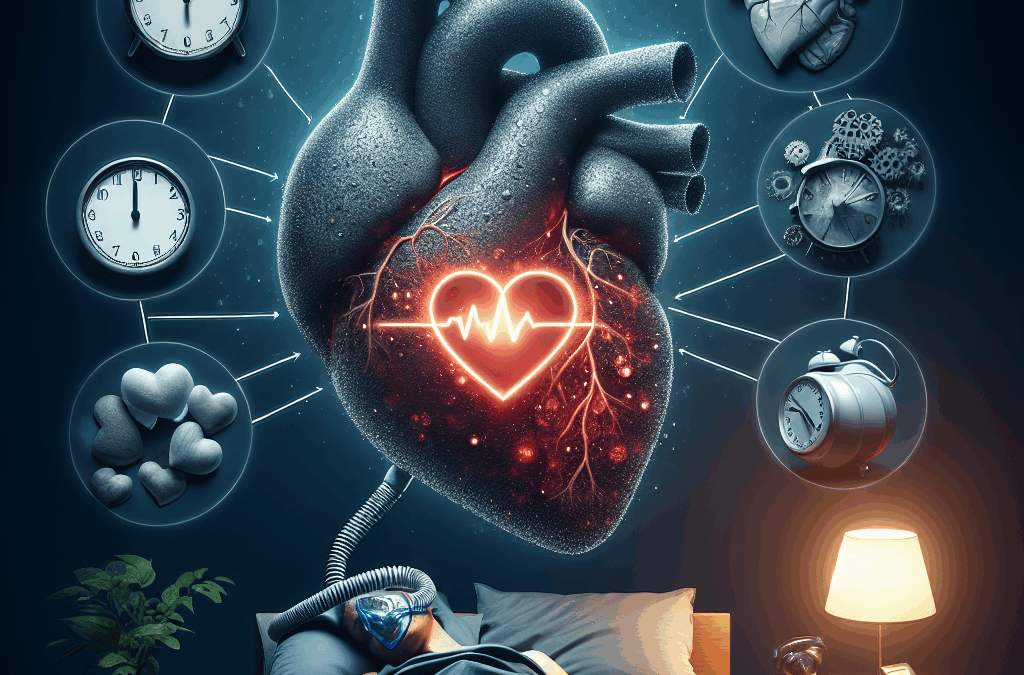
If you struggle with feeling tired, burnt out, or in pain—especially if you have trouble sleeping or suspect sleep apnea—there’s a serious health risk you need to know about: Your habits at night might be putting your heart at risk. Specifically, obstructive sleep apnea (OSA) is a common yet often undiagnosed condition that can significantly increase your chances of developing heart disease. Understanding how OSA affects your cardiovascular system and what you can do to reduce that risk is crucial for safeguarding your health and improving your quality of life.
### What Is Obstructive Sleep Apnea and Why Should You Care?
Obstructive sleep apnea is a sleeping disorder where your airway repeatedly becomes partially or fully blocked during sleep. This causes breathing pauses that can last from seconds to minutes, often waking you up abruptly as your body tries to resume normal breathing. While you might think this only causes snoring or daytime fatigue, OSA does far more damage—especially to your heart.
Each breathing pause deprives your body of oxygen, triggering a chain reaction of harmful effects. Your nervous system reacts by activating what’s called the *sympathetic nervous system*—our “fight or flight” response—causing your heart rate and blood pressure to spike repeatedly throughout the night. This chronic stress on your cardiovascular system increases your risk for serious conditions such as high blood pressure, heart attacks, stroke, and heart failure.
In fact, people with untreated sleep apnea are at:
– 140% higher risk of heart failure
– 60% higher risk of stroke
– 30% higher risk of coronary artery disease
This risk exists *independently* of other traditional risk factors like age, sex, smoking, and obesity, meaning sleep apnea itself is a major contributor to heart problems[1].
### How Does Sleep Apnea Damage Your Heart?
The repeated drops in blood oxygen during apnea episodes strain your heart in several ways. First, oxygen deprivation causes your blood vessels to constrict, raising blood pressure. Over time, this persistent hypertension can thicken your heart muscles and lead to conditions like atrial fibrillation—a rapid, irregular heartbeat that can cause stroke.
Additionally, ongoing oxidative stress and inflammation caused by disturbed breathing alert your immune system and disrupt normal blood vessel function. These inflammatory processes promote *atherosclerosis*, where fats build up inside your arteries, narrowing and hardening them, which further increases the risk of heart attacks.
The combination of surges in blood pressure, irregular heart rhythms, and vascular inflammation creates a dangerous environment that can severely damage your cardiovascular system if OSA goes untreated[3][5].
### Sleep Apnea, Obesity, and Heart Disease: A Dangerous Trio
Obesity is a major risk factor for both sleep apnea and heart disease. Excess weight—particularly fat deposits around the neck—can physically block your airway during sleep, worsening apnea. Data shows that a 10% gain in body weight can increase your risk of developing OSA sixfold. While many people with sleep apnea are also obese, it’s important to note that sleep apnea harms your heart independently—even if you aren’t overweight.
On the other hand, obesity also raises your risk for hypertension, diabetes, and unhealthy cholesterol—all conditions that multiply heart disease risk. This interconnected relationship highlights why managing body weight and controlling sleep apnea can have profound benefits for heart and overall health[3][7].
### Why You Can’t Afford to Ignore Sleep Apnea Symptoms
Because obstructive sleep apnea typically occurs during unconsciousness, many people don’t realize they have it until a partner points out loud snoring, gasping, or pauses in breathing. Common symptoms that might indicate OSA include:
– Frequent loud snoring
– Choking or gasping during sleep
– Excessive daytime sleepiness or fatigue despite a full night’s sleep
– Morning headaches or dry mouth
– Difficulty concentrating or memory problems
– Mood changes, irritability, or depression
Ignoring these symptoms can have long-term consequences for your heart health. This is especially concerning given research showing that OSA increases heart disease risks even in younger adults under 40, emphasizing the need for early detection and treatment[7].
### Treatment Options That Can Protect Your Heart
The good news is that obstructive sleep apnea is *highly treatable*, and early intervention can dramatically lower your risk for heart complications.
**1. Continuous Positive Airway Pressure (CPAP) Therapy**
CPAP therapy is the gold standard treatment for OSA. It involves wearing a mask connected to a machine that delivers a steady stream of pressurized air to keep your airway open during sleep. This prevents airway collapse, ensuring uninterrupted breathing and oxygen supply.
Using CPAP nightly not only improves sleep quality but also reduces blood pressure, stabilizes heart rhythms, and diminishes harmful inflammation. Modern CPAP machines are quieter and more comfortable than ever, with multiple mask options to fit your preferences[2][4][6].
**2. Lifestyle Changes**
In many cases, simple changes can significantly improve or resolve mild sleep apnea:
– **Lose excess weight:** Weight loss reduces fat deposits around the neck and abdomen, easing airway obstruction and lowering heart disease risk
– **Avoid alcohol and sedatives at night:** These substances relax throat muscles and worsen airway collapse
– **Sleep on your side:** Sleeping on your back can worsen apnea, while side sleeping helps keep airways open
– **Quit smoking:** Smoking irritation increases airway inflammation and blocks airflow
– **Increase physical activity:** Exercise improves cardiovascular health and can help with weight management
**3. Other Medical Interventions**
For severe cases or if CPAP therapy is not tolerated, other options might include oral appliances to reposition your jaw or surgery to clear airway obstructions. Your doctor will tailor treatments based on your specific condition and overall health[2][4][6].
### Why Early Screening and Diagnosis Matter
Sleep apnea is often underdiagnosed because people don’t connect their daytime fatigue or snoring with a potential heart risk. Regular discussions about sleep quality should be part of your annual medical checkup, especially if you have risk factors like obesity, high blood pressure, or heart disease.
If sleep apnea is detected early, the right treatment can prevent progressive heart damage and improve your energy and well-being substantially. Ignoring OSA symptoms prolongs stress on the heart and increases long-term risks.
### Your Heart Deserves Quality Sleep
For adults battling fatigue, burnout, chronic pain, or sleep difficulties, taking sleep apnea seriously is essential. Because undiagnosed OSA not only steals your energy but also silently strains and damages your heart, prioritizing treatment can transform your quality of life in more ways than one.
If you suspect you have sleep apnea or frequently experience symptoms like loud snoring and daytime tiredness, consult a healthcare professional for evaluation. Through a combination of lifestyle changes and proven therapies like CPAP, you can protect your heart, restore restful sleep, and regain vitality.
—
**Remember, what you do at night can make all the difference for your heart tomorrow. Don’t let untreated sleep apnea fuel heart disease risk—take proactive steps to breathe easy, sleep well, and live healthier.**